Blog

  • Health benefits of eating bananas regularly

    Health benefits of eating bananas regularly

    Bananas are one of the most popular and widely consumed fruits in the world. Known for their natural sweetness, convenience, and nutritional value, Banana is often included in healthy diets across many cultures. Whether eaten as a quick snack, added to smoothies, or used in desserts, bananas provide essential nutrients that support overall health.

    Regular consumption of bananas can offer numerous benefits, including improved digestion, better heart health, increased energy, and stronger immunity. This article explores the major health benefits of eating bananas regularly and why they are considered a nutritious addition to daily meals.

    Nutritional Value of Bananas

    Bananas are rich in several important nutrients that the body needs to function properly. A medium-sized banana typically contains:

    • Potassium
    • Vitamin B6
    • Vitamin C
    • Dietary fiber
    • Magnesium
    • Natural carbohydrates

    Bananas are also low in fat and contain no cholesterol, making them a healthy fruit choice for people of all ages.

    1. Supports Heart Health

    Bananas are an excellent source of potassium, a mineral that helps maintain proper heart function. Potassium helps regulate blood pressure by balancing sodium levels in the body.

    Regular intake of potassium-rich foods like bananas may reduce the risk of High Blood Pressure and improve overall cardiovascular health.

    Potassium also helps maintain proper muscle function, including the heart muscle.

    2. Improves Digestion

    Bananas contain dietary fiber, which helps support a healthy digestive system. The fiber found in bananas helps regulate bowel movements and prevent digestive issues such as Constipation.

    Bananas also contain resistant starch, especially when slightly unripe. This type of starch feeds beneficial bacteria in the gut and supports digestive health.

    3. Provides Natural Energy

    Bananas are a great source of natural carbohydrates, which provide quick energy to the body. This makes them an excellent snack for athletes, students, and people with busy lifestyles.

    Because they digest easily, bananas are often recommended before or after exercise to help replenish energy levels.

    4. Supports Brain Function

    Bananas contain vitamin B6, which plays an important role in brain health. Vitamin B6 helps the body produce neurotransmitters that regulate mood and cognitive function.

    Regular consumption of bananas may help support mental focus and reduce symptoms of Depression by helping maintain balanced serotonin levels.

    5. Promotes Healthy Skin

    The vitamins and antioxidants present in bananas help protect the skin from damage caused by free radicals. Vitamin C, in particular, supports collagen production, which helps maintain skin elasticity and prevent premature aging.

    Some people also use mashed bananas as natural face masks to moisturize and nourish the skin.

    6. Helps Maintain Healthy Weight

    Bananas are relatively low in calories but high in fiber, which helps promote a feeling of fullness. This can help prevent overeating and support weight management.

    Including bananas as part of a balanced diet may help people maintain a healthy weight without feeling deprived.

    7. Strengthens the Immune System

    Bananas provide important vitamins such as vitamin C and antioxidants that support the immune system. A strong immune system helps protect the body from infections and illnesses.

    Regular consumption of nutrient-rich fruits like bananas can help the body fight common illnesses such as Common Cold.

    8. Supports Kidney Health

    Potassium found in bananas also plays a role in maintaining proper kidney function. Studies suggest that regular consumption of potassium-rich foods may reduce the risk of Kidney Stones.

    However, people with severe kidney disease should consult a doctor before increasing potassium intake.

    9. Improves Mood and Reduces Stress

    Bananas contain tryptophan, an amino acid that the body converts into serotonin. Serotonin is often referred to as the “feel-good hormone” because it helps regulate mood and emotional well-being.

    Eating bananas regularly may help improve mood and reduce stress levels.

    10. Supports Healthy Muscles

    Potassium and magnesium in bananas help maintain proper muscle function. These minerals help prevent muscle cramps and support recovery after physical activity.

    This is why many athletes include bananas in their diet before or after workouts.

    Best Ways to Include Bananas in Your Diet

    Bananas are versatile and can be consumed in many ways. Some popular options include:

    • Eating them fresh as a snack
    • Adding them to smoothies
    • Mixing them with oatmeal or cereal
    • Using them in baking recipes like banana bread
    • Adding them to yogurt or fruit salads

    Their natural sweetness makes them a healthy alternative to sugary snacks.

    Conclusion

    Bananas are one of the most nutritious and convenient fruits available. They provide essential nutrients such as potassium, fiber, vitamins, and antioxidants that support many aspects of health, including heart function, digestion, energy levels, and immune strength.

    Eating bananas regularly can contribute to better overall health and help maintain a balanced diet. However, like any food, they should be consumed in moderation as part of a varied and healthy eating plan.

    With their natural taste, affordability, and numerous health benefits, bananas remain a valuable addition to everyday nutrition.

    FAQs

    1. Is it healthy to eat bananas every day?

    Yes, eating bananas daily can be healthy because they provide essential nutrients like potassium, fiber, and vitamins.

    2. How many bananas can a person eat per day?

    Most healthy adults can safely eat one to two bananas per day as part of a balanced diet.

    3. Are bananas good for weight loss?

    Bananas can support weight management because they are filling and contain fiber, which helps control appetite.

    4. Are bananas good for the heart?

    Yes, bananas contain potassium, which helps regulate blood pressure and supports heart health.

    5. Do bananas help with digestion?

    Yes, the fiber in bananas supports healthy digestion and can help prevent constipation.

    6. Are bananas good for athletes?

    Yes, bananas provide natural carbohydrates and electrolytes that help supply energy and support muscle recovery after exercise.


  • Is drinking lime juice in the morning harmful?

    Is drinking lime juice in the morning harmful?

    Drinking Lime Juice in the morning is a common health habit practiced in many parts of the world. Many people start their day with warm water mixed with lime or lemon because it is believed to support digestion, boost immunity, and help detoxify the body.

    However, some people wonder whether drinking lime juice early in the morning can be harmful. The truth is that lime juice is generally safe and beneficial when consumed in moderation, but excessive intake or certain health conditions may cause problems.

    This article explains the benefits, possible side effects, and the best way to drink lime juice in the morning.

    Nutritional Value of Lime Juice

    Lime juice is rich in important nutrients that support overall health. It contains:

    • Vitamin C
    • Antioxidants
    • Potassium
    • Flavonoids
    • Small amounts of calcium and magnesium

    These nutrients help strengthen the immune system and protect the body from damage caused by free radicals.

    Health Benefits of Drinking Lime Juice in the Morning

    1. Boosts Immunity

    Lime juice is an excellent source of vitamin C, which helps strengthen the immune system. Regular consumption may help the body fight infections and reduce the risk of illnesses such as Common Cold.

    2. Supports Digestion

    Drinking lime juice with warm water may help stimulate digestive enzymes and improve digestion. It can help the stomach break down food more efficiently and reduce problems like bloating or indigestion.

    3. Helps Hydrate the Body

    After several hours of sleep, the body needs hydration. Lime water provides fluids along with nutrients, helping the body stay hydrated and energized throughout the day.

    4. Promotes Healthy Skin

    The antioxidants and vitamin C in lime juice support collagen production, which helps maintain healthy skin and may reduce signs of aging.

    5. May Support Weight Management

    Many people drink lime water as part of a weight management routine. While lime juice alone does not cause weight loss, it can help:

    • Improve metabolism
    • Reduce sugary drink consumption
    • Support healthy digestion

    Possible Side Effects of Drinking Lime Juice

    Although lime juice has many benefits, drinking it excessively or improperly may cause some issues.

    1. Tooth Enamel Damage

    Lime juice is highly acidic. Frequent exposure to acid may gradually damage tooth enamel, increasing the risk of Tooth Enamel Erosion.

    To reduce this risk, it is recommended to drink lime water through a straw or rinse your mouth afterward.

    2. Acid Reflux or Heartburn

    People who suffer from Acid Reflux or Gastroesophageal Reflux Disease may experience discomfort after consuming acidic drinks like lime juice.

    For such individuals, drinking lime juice on an empty stomach may worsen symptoms.

    3. Stomach Irritation

    Excessive consumption may irritate the stomach lining and may aggravate conditions like Peptic Ulcer.

    Moderation is important to avoid digestive discomfort.

    Who Should Be Careful?

    Some people should limit or avoid drinking lime juice in the morning, including those who have:

    • Severe acid reflux or GERD
    • Stomach ulcers
    • Sensitive teeth
    • Citrus allergies

    If any symptoms occur after drinking lime juice, it is best to reduce consumption or consult a healthcare professional.

    The Best Way to Drink Lime Juice in the Morning

    To enjoy the benefits while minimizing risks, follow these simple tips:

    1. Mix the juice of half a lime in a glass of warm water.
    2. Avoid adding too much lime juice.
    3. Drink it through a straw to protect teeth.
    4. Rinse your mouth with plain water afterward.
    5. Do not drink it excessively.

    This method allows you to benefit from lime juice without harming your teeth or stomach.

    When Is the Best Time to Drink Lime Water?

    Many people prefer drinking lime water early in the morning on an empty stomach, but it can also be consumed:

    • before breakfast
    • after meals to aid digestion
    • during the day for hydration

    The key is to consume it in moderate amounts.

    Conclusion

    Drinking lime juice in the morning is generally safe and beneficial for most people. It provides vitamin C, supports digestion, promotes hydration, and may contribute to overall wellness.

    However, because lime juice is acidic, excessive consumption may lead to problems such as tooth enamel erosion, acid reflux, or stomach irritation. By drinking lime water in moderation and following proper precautions, most people can safely enjoy its health benefits.

    As with any dietary habit, listening to your body and maintaining balance is the best approach to staying healthy.

    FAQs

    1. Is it safe to drink lime juice every morning?

    Yes, drinking lime juice daily is generally safe for healthy individuals when consumed in moderation.

    2. Can lime water help with weight loss?

    Lime water alone does not cause weight loss, but it can support hydration and healthy digestion as part of a balanced diet.

    3. Can lime juice damage teeth?

    Yes, the acid in lime juice may erode tooth enamel if consumed frequently without precautions.

    4. Should lime water be taken on an empty stomach?

    Many people drink it on an empty stomach, but those with acid reflux or stomach sensitivity may prefer drinking it after meals.

    5. Is lime juice good for the skin?

    Yes, vitamin C and antioxidants in lime juice support healthy skin and collagen production.

    6. How much lime juice should be consumed daily?

    Half a lime mixed in a glass of water once a day is generally considered a safe and beneficial amount.

  • The top 30 sweet pastries in the world

    The top 30 sweet pastries in the world

    Sweet pastries are among the most beloved desserts across cultures. From flaky croissants in Europe to syrup-soaked treats in the Middle East, pastries combine simple ingredients like flour, butter, sugar, and eggs into extraordinary delicacies. Over centuries, bakers around the world have perfected techniques that produce pastries with unique textures, flavors, and cultural significance.

    In this article, we explore 30 of the most famous sweet pastries in the world, their origins, and what makes each one special.

    1. Croissant – France

    The croissant is one of the most famous pastries in the world. Originating in France, this buttery and flaky pastry is made through a process called lamination, where layers of butter are folded into the dough multiple times. When baked, it creates a light, airy texture with a crisp outer layer. Croissants are often enjoyed plain or filled with chocolate, almond cream, or jam.

    2. Baklava – Middle East

    Baklava is a rich dessert made from layers of thin pastry called phyllo dough filled with chopped nuts and soaked in sweet honey or sugar syrup. This pastry is widely popular in Turkey, Greece, and the Middle East. Its combination of crunchy layers, sweet syrup, and aromatic spices makes it an unforgettable treat.

    3. Pastel de Nata – Portugal

    Pastel de Nata, also known as Portuguese custard tart, features a flaky crust filled with creamy egg custard. The top of the custard caramelizes slightly during baking, giving it a distinctive appearance and flavor. This pastry originated in Lisbon and has become a symbol of Portuguese cuisine.

    4. Éclair – France

    Éclairs are elegant pastries made from choux dough filled with cream and topped with chocolate glaze. They are light, airy, and slightly crisp on the outside. The filling can vary from vanilla custard to chocolate cream or coffee-flavored cream.

    5. Cannoli – Italy

    Cannoli are traditional Sicilian pastries consisting of crispy tube-shaped shells filled with sweet ricotta cream. The filling often includes chocolate chips, pistachios, or candied fruit. Cannoli are popular worldwide and represent the richness of Italian dessert culture.

    6. Danish Pastry – Denmark

    Danish pastries are laminated pastries similar to croissants but often sweeter and filled with fruit, custard, or cream cheese. Their soft, buttery layers and decorative shapes make them a favorite in bakeries around the world.

    7. Strudel – Austria

    Apple strudel is the most famous variation of this pastry. It consists of thin dough wrapped around a filling of apples, cinnamon, sugar, and raisins. The pastry is baked until golden and often served with powdered sugar or whipped cream.

    8. Churros – Spain

    Churros are fried pastries made from choux-like dough. They are crispy on the outside and soft inside, usually coated with sugar and served with thick chocolate sauce for dipping.

    9. Mille-feuille – France

    Also known as “Napoleon,” Mille-feuille consists of layers of puff pastry and pastry cream. The top is often decorated with icing or powdered sugar. Its delicate layers create a crisp and creamy texture combination.

    10. Palmier – France

    Palmier pastries are simple but delicious treats made from puff pastry and sugar. They are shaped like palm leaves or hearts and baked until caramelized and crisp.

    11. Sfogliatella – Italy

    This iconic Italian pastry from Naples features thin layers of dough shaped into a shell and filled with sweet ricotta and semolina cream.

    12. Kouign-Amann – France

    Kouign-Amann is a rich pastry made with butter and sugar folded into dough. When baked, the sugar caramelizes, creating a crispy outer layer with a soft interior.

    13. Beignet – France

    Beignets are deep-fried pastries covered with powdered sugar. They are particularly famous in New Orleans, where they are served warm with coffee.

    14. Profiterole – France

    Profiteroles are small choux pastry balls filled with cream and often topped with chocolate sauce. They are commonly served as part of elegant desserts.

    15. Sacher Torte – Austria

    Although technically a cake, Sacher Torte contains pastry elements with layers of chocolate sponge and apricot jam covered in chocolate glaze.

    16. Basque Cake – France

    This traditional pastry contains a buttery crust filled with pastry cream or black cherry jam.

    17. Tarte Tatin – France

    Tarte Tatin is an upside-down caramelized apple pastry baked with butter and sugar, then flipped before serving.

    18. Crème Puff – France

    Cream puffs are made from choux pastry and filled with whipped cream or custard.

    19. Empanada Dulce – Latin America

    Sweet empanadas are pastry turnovers filled with fruit, chocolate, or sweet cream.

    20. Malasada – Portugal / Hawaii

    Malasadas are fried dough pastries coated in sugar and often filled with custard or chocolate.

    21. Cronut – United States

    The cronut is a modern pastry invention combining the flaky layers of a croissant with the shape and frying technique of a donut.

    22. Kolache – Czech Republic

    Kolache pastries are soft dough pastries filled with fruit, poppy seeds, or sweet cheese.

    23. Zeppole – Italy

    Zeppole are Italian fried pastries often filled with custard and dusted with powdered sugar.

    24. Mooncake – China

    Mooncakes are traditional pastries eaten during the Mid-Autumn Festival, filled with lotus paste, nuts, or egg yolk.

    25. Puff Pastry Tart – Europe

    Puff pastry tarts are simple pastries topped with fruit, custard, or chocolate.

    26. Almond Croissant – France

    This pastry is a variation of the classic croissant filled with almond cream and topped with sliced almonds.

    27. Bear Claw – United States

    Bear claws are sweet pastries filled with almond paste and shaped like a bear’s claw.

    28. Pain au Chocolat – France

    Pain au chocolat is similar to a croissant but filled with chocolate sticks.

    29. Apple Turnover – Europe

    Apple turnovers are puff pastry pockets filled with spiced apples and baked until golden.

    30. Cinnamon Roll – Scandinavia

    Cinnamon rolls are sweet spiral pastries flavored with cinnamon and topped with icing.

    Conclusion

    Sweet pastries reflect the culinary traditions and creativity of cultures around the world. Each pastry has its own unique flavor, preparation method, and history. From the buttery layers of croissants to the syrupy richness of baklava, these desserts showcase how simple ingredients can become extraordinary creations.

    Exploring pastries from different countries allows us to appreciate global food traditions and the artistry of baking. Whether enjoyed with coffee in a small café or served during festive celebrations, sweet pastries continue to bring joy and comfort to people everywhere.

    FAQs

    1. What is the most famous pastry in the world?

    The croissant is often considered one of the most famous pastries because of its flaky texture and global popularity.

    2. Which country is known for the best pastries?

    France is widely known for its pastries due to its long history of baking and famous creations like croissants, éclairs, and mille-feuille.

    3. What makes pastries different from cakes?

    Pastries are typically made from dough with layers or fillings, while cakes are made from batter and have a softer texture.

    4. Are pastries always sweet?

    No, pastries can be sweet or savory. However, sweet pastries are more commonly associated with desserts.

    5. What ingredients are commonly used in pastries?

    Common pastry ingredients include flour, butter, sugar, eggs, milk, and various fillings such as fruit, chocolate, or cream.

    6. Why are pastries flaky?

    Flakiness comes from layering butter between thin sheets of dough, which creates steam during baking and forms delicate layers.

  • Foods that contain almost no calories

    Foods that contain almost no calories

    Many people trying to lose weight or maintain a healthy diet look for foods that are very low in calories but still satisfying. These foods allow you to eat larger portions without significantly increasing your daily calorie intake. Most foods that contain almost no calories are rich in water, fiber, and essential nutrients.

    Vegetables and some fruits fall into this category because they provide hydration, vitamins, and minerals while remaining extremely low in calories. Adding these foods to your meals can help control hunger and support healthy weight management.

    Below are some common foods that contain very few calories and can be included in a balanced diet.

    1. Cucumber

    Cucumbers are made up of about 95 percent water, making them one of the lowest-calorie foods available. A cup of sliced cucumber contains only a small number of calories.

    They are refreshing, hydrating, and perfect for salads, sandwiches, or snacks.

    2. Celery

    Celery is often considered a classic low-calorie snack. It contains mostly water and fiber, which help promote fullness.

    Celery also contains antioxidants and small amounts of vitamins that support overall health.

    3. Lettuce

    Lettuce is extremely low in calories and commonly used as the base for salads.

    It contains vitamins such as vitamin A and vitamin K, making it a nutritious addition to many meals.

    4. Zucchini

    Zucchini is a versatile vegetable that can be grilled, roasted, or spiralized into noodles.

    It contains very few calories while providing vitamins and antioxidants.

    5. Spinach

    Spinach is rich in nutrients but extremely low in calories.

    This leafy green contains iron, vitamin C, and antioxidants that support immune health and overall well-being.

    6. Broccoli

    Broccoli is low in calories yet high in fiber and nutrients.

    It supports digestion and contains compounds that may help protect against chronic diseases such as Cancer.

    7. Cabbage

    Cabbage is another vegetable that contains very few calories but plenty of fiber and nutrients.

    It is commonly used in salads, soups, and fermented dishes like sauerkraut.

    8. Tomato

    Tomatoes are low in calories and rich in vitamin C and antioxidants such as lycopene.

    They add flavor and nutrition to salads, sandwiches, and many cooked dishes.

    9. Mushroom

    Mushrooms contain very few calories and provide nutrients such as B vitamins and selenium.

    They are often used as a low-calorie substitute for higher-calorie ingredients in many recipes.

    10. Watermelon

    Watermelon is one of the lowest-calorie fruits because it is mostly water.

    It is refreshing, hydrating, and provides vitamin C and antioxidants.

    11. Strawberry

    Strawberries are naturally sweet but relatively low in calories.

    They are rich in vitamin C and antioxidants that support immune health.

    12. Radish

    Radishes are crunchy vegetables that contain very few calories.

    They add a spicy flavor to salads and provide small amounts of vitamin C and fiber.

    Why Low-Calorie Foods Are Helpful

    Foods that contain very few calories can be helpful for people trying to manage their weight. Because these foods are often high in water and fiber, they help create a feeling of fullness without adding many calories.

    Including low-calorie foods in meals may help reduce overeating and support healthy digestion.

    They also provide important vitamins and minerals that the body needs for proper function.

    Tips for Adding Low-Calorie Foods to Your Diet

    Here are some simple ways to include these foods in your daily meals:

    • Add vegetables like spinach or lettuce to sandwiches and wraps
    • Snack on cucumbers or celery instead of processed snacks
    • Use zucchini noodles instead of traditional pasta
    • Include fresh fruits like strawberries or watermelon as dessert
    • Add mushrooms and tomatoes to omelets or stir-fries

    These simple changes can make meals healthier while keeping calorie intake lower.

    Conclusion

    Foods that contain almost no calories are typically vegetables and fruits with high water content and plenty of nutrients. Options such as cucumbers, lettuce, spinach, tomatoes, and strawberries provide vitamins, minerals, and fiber without significantly increasing calorie intake.

    Including these foods in your diet can help support weight management, improve hydration, and promote overall health. While no food is completely calorie-free, choosing low-calorie options allows you to enjoy satisfying meals while maintaining a balanced and healthy diet.

    FAQs

    1. Are there foods with zero calories?

    No food is truly zero calories, but some foods are extremely low in calories and can be eaten in larger portions without significantly increasing calorie intake.

    2. Which vegetable has the lowest calories?

    Vegetables like cucumbers, lettuce, and celery are among the lowest-calorie foods.

    3. Can low-calorie foods help with weight loss?

    Yes, they can help reduce overall calorie intake and promote fullness, which supports weight management.

    4. Are low-calorie foods still nutritious?

    Yes, many low-calorie foods contain essential vitamins, minerals, and antioxidants.

    5. Can you eat unlimited low-calorie foods?

    Although they are low in calories, it is still important to maintain a balanced diet that includes protein, healthy fats, and other nutrients.

    6. Are fruits low in calories?

    Some fruits such as strawberries and watermelon are relatively low in calories while providing important nutrients.

  • Health benefits of eating apples regularly

    Health benefits of eating apples regularly

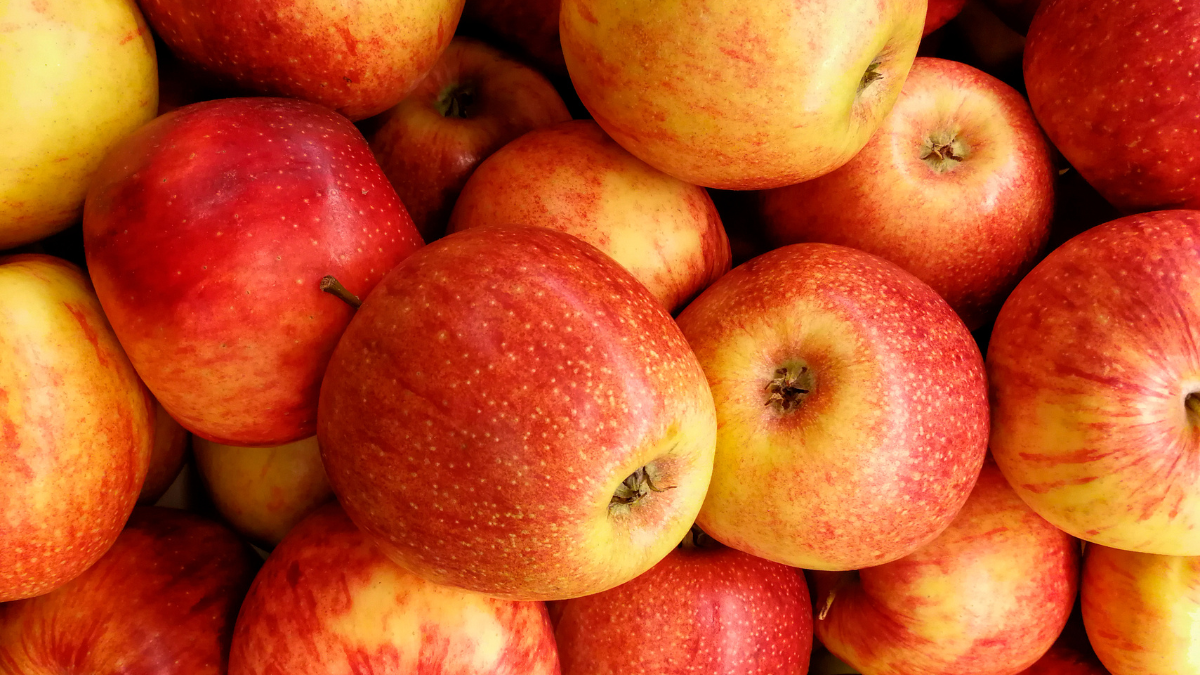
    Apples are one of the most popular and widely consumed fruits in the world. The famous saying “an apple a day keeps the doctor away” reflects the belief that apples offer numerous health benefits when eaten regularly. Rich in essential nutrients, antioxidants, and dietary fiber, apples play an important role in maintaining overall health and preventing many diseases.

    Scientifically known as Malus domestica, apples have been cultivated for thousands of years and are enjoyed in various forms such as fresh fruit, juice, salads, and desserts. They are not only delicious but also extremely nutritious, making them an excellent addition to a balanced diet.

    In this article, we will explore the nutritional value of apples, their health benefits, and why eating apples regularly can contribute to a healthier lifestyle.

    Nutritional Value of Apples

    Apples are packed with essential nutrients that support overall health. A medium-sized apple contains:

    • Dietary fiber
    • Vitamin C
    • Potassium
    • Vitamin K
    • Antioxidants
    • Natural sugars
    • Small amounts of B vitamins

    Apples are also low in calories and contain no fat or cholesterol, making them a healthy snack option. The skin of the apple is especially rich in antioxidants and fiber, which provide many of its health benefits.

    Rich Source of Antioxidants

    One of the most important benefits of apples is their high antioxidant content. Apples contain powerful antioxidants such as flavonoids and polyphenols, which help protect the body from oxidative stress.

    Oxidative stress occurs when harmful molecules known as free radicals damage cells. Antioxidants neutralize these free radicals and reduce the risk of chronic diseases.

    Regular consumption of apples may help protect the body against conditions such as heart disease, cancer, and aging-related illnesses.

    Supports Heart Health

    Eating apples regularly can significantly improve heart health. Apples contain soluble fiber called pectin, which helps lower levels of bad cholesterol in the blood.

    High cholesterol is a major risk factor for heart disease. By reducing cholesterol levels, apples help maintain healthy blood vessels and improve cardiovascular function.

    The antioxidants present in apples also reduce inflammation and protect the heart from damage. Studies suggest that people who consume apples frequently may have a lower risk of heart disease.

    Aids in Weight Management

    Apples are an excellent food for people trying to lose or maintain weight. They are low in calories but high in fiber and water content, which helps promote a feeling of fullness.

    When people feel full, they are less likely to overeat or consume unhealthy snacks. This makes apples a great addition to weight management diets.

    The natural sugars in apples provide energy without causing rapid spikes in blood sugar levels, making them a healthier alternative to sugary snacks.

    Improves Digestive Health

    Apples contain both soluble and insoluble fiber, which play a crucial role in maintaining a healthy digestive system.

    Soluble fiber helps regulate bowel movements and supports the growth of beneficial gut bacteria. Insoluble fiber adds bulk to stool and helps prevent constipation.

    Regular consumption of apples may also improve gut health and support the digestive process by promoting healthy intestinal function.

    Helps Control Blood Sugar Levels

    Despite their natural sweetness, apples have a relatively low glycemic index. This means they release sugar slowly into the bloodstream.

    The fiber and polyphenols in apples help regulate blood sugar levels and improve insulin sensitivity. This can be particularly beneficial for people with type 2 diabetes or those at risk of developing the condition.

    Eating whole apples instead of processed apple products ensures better blood sugar control.

    Boosts Immune System

    Apples are a good source of vitamin C, an essential nutrient that supports the immune system.

    Vitamin C helps the body fight infections, promotes healing, and supports the production of white blood cells. The antioxidants in apples also strengthen the immune system by reducing inflammation and protecting cells from damage.

    Regular consumption of apples can help the body defend itself against common illnesses such as colds and infections.

    Promotes Brain Health

    Apples may also support brain health and cognitive function. The antioxidants found in apples help protect brain cells from oxidative stress.

    Some studies suggest that apple compounds may help reduce the risk of neurodegenerative diseases such as Alzheimer’s disease.

    These compounds help improve communication between brain cells and reduce inflammation in the brain.

    Including apples in a healthy diet may contribute to improved memory and mental performance over time.

    Supports Healthy Skin

    Apples contain vitamins and antioxidants that benefit skin health. Vitamin C plays an important role in the production of collagen, a protein that maintains skin elasticity and strength.

    Antioxidants help protect the skin from damage caused by pollution, sunlight, and aging.

    Eating apples regularly may contribute to healthier, brighter skin and may reduce signs of premature aging.

    Strengthens Bones

    Apples contain nutrients that support bone health, including potassium and antioxidants.

    Some research suggests that compounds in apples may improve bone density and reduce the risk of bone loss, especially as people age.

    Including apples as part of a balanced diet can contribute to stronger bones and improved skeletal health.

    Supports Lung Health

    Studies have found that the antioxidants in apples may benefit lung function and respiratory health.

    Regular apple consumption has been associated with improved lung capacity and a reduced risk of respiratory conditions such as Asthma.

    The flavonoids in apples help reduce inflammation in the lungs and protect respiratory tissues from damage.

    May Reduce Cancer Risk

    Apples contain compounds such as quercetin, catechin, and chlorogenic acid that may have anti-cancer properties.

    These compounds help prevent abnormal cell growth and protect cells from damage caused by harmful substances.

    While apples alone cannot prevent cancer, regular consumption as part of a healthy diet may reduce the risk of certain types of cancer.

    Helps Detoxify the Body

    Apples support the body’s natural detoxification processes. The fiber in apples helps remove waste and toxins from the digestive system.

    Apples also support liver function, which plays a crucial role in detoxifying the body.

    By promoting regular digestion and eliminating harmful substances, apples contribute to better overall health.

    Improves Hydration

    Apples contain a high amount of water, which helps keep the body hydrated.

    Proper hydration is essential for maintaining healthy organs, regulating body temperature, and supporting metabolic processes.

    Eating apples can contribute to daily fluid intake, especially when combined with other hydrating foods.

    Easy to Include in Daily Diet

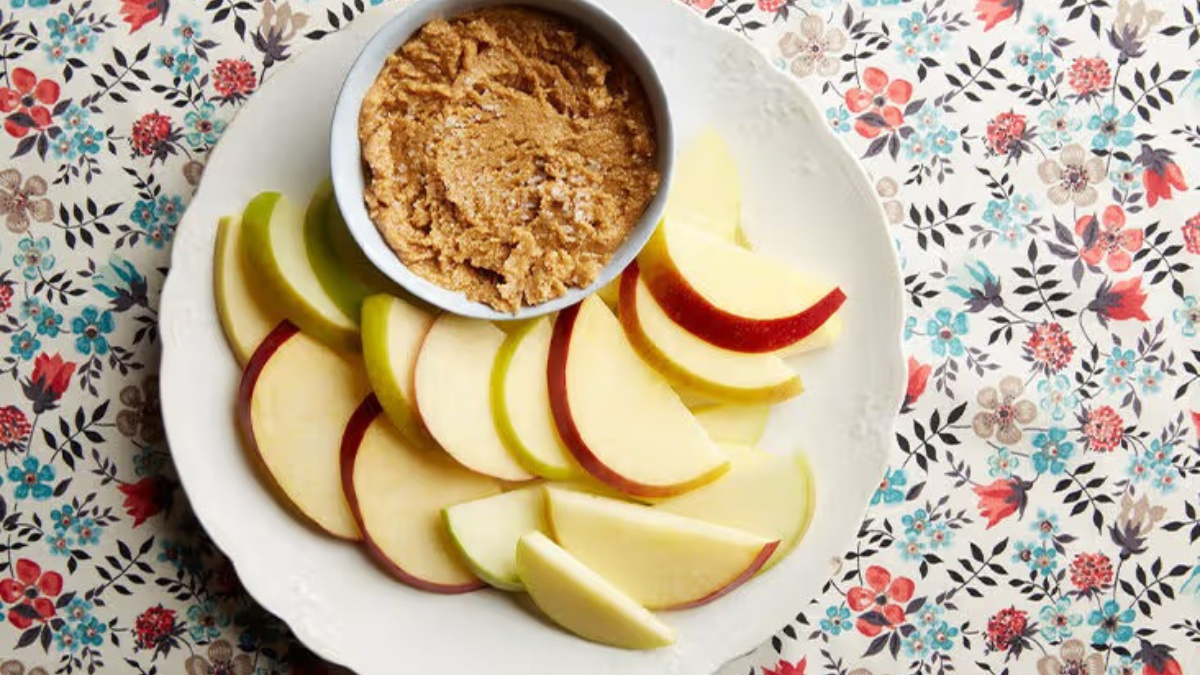
    One of the best things about apples is their versatility. They can easily be incorporated into daily meals and snacks.

    Some simple ways to include apples in your diet include:

    • Eating them as a fresh snack
    • Adding slices to salads
    • Blending them into smoothies
    • Using them in oatmeal or yogurt
    • Baking them in healthy desserts

    Choosing fresh apples with their skin intact provides the maximum nutritional benefits.

    Conclusion

    Apples are one of the most nutritious and accessible fruits available. Packed with fiber, vitamins, antioxidants, and natural plant compounds, apples offer numerous health benefits that support overall well-being.

    Regular consumption of apples may improve heart health, digestion, brain function, immunity, and weight management. Their ability to help regulate blood sugar levels and reduce the risk of chronic diseases makes them an important part of a healthy diet.

    In addition to their health benefits, apples are convenient, affordable, and easy to include in everyday meals. By making apples a regular part of your diet, you can take a simple yet powerful step toward maintaining a healthier lifestyle.

    As the old saying suggests, incorporating apples into your daily routine may indeed help keep the doctor away.

    Frequently Asked Questions (FAQ)

    1. Is it good to eat an apple every day?

    Yes, eating an apple every day can be beneficial because apples provide essential nutrients, fiber, and antioxidants that support overall health.

    2. What is the best time to eat an apple?

    Apples are best eaten in the morning or as a mid-day snack. Eating them earlier in the day helps the body digest the fiber and nutrients efficiently.

    3. Should apples be eaten with the skin?

    Yes, the skin of the apple contains a large portion of its fiber and antioxidants. Washing the apple thoroughly before eating is recommended.

    4. Are apples good for weight loss?

    Yes, apples are low in calories and high in fiber, which helps create a feeling of fullness and reduces overeating.

    5. Can people with diabetes eat apples?

    People with diabetes can eat apples in moderation. Apples have a low glycemic index and contain fiber that helps regulate blood sugar levels.

    6. How many apples should be eaten per day?

    One to two apples per day are generally considered safe and beneficial for most people as part of a balanced diet.